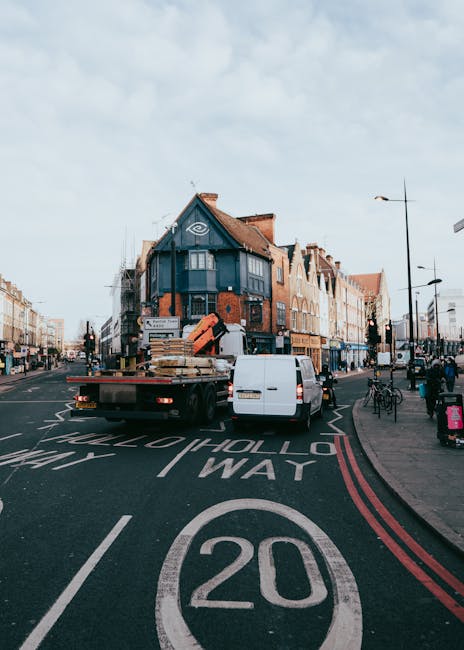
West Green Road Removals: Fast Tips for South Tottenham
Posted on 07/05/2026
Moving around West Green Road in South Tottenham can be straightforward if you treat it like a local logistics job, not just a van and a few boxes. Narrower residential streets, parking pressure, flats above shops, busy daytime traffic, and the usual last-minute surprises can all slow a move down if you do not plan for them early. That is why West Green Road Removals: Fast Tips for South Tottenham is less about rushing and more about moving smart.
This guide pulls together practical advice for quicker, safer removals in the area: how to prepare your home, what to load first, when to book help, and how to avoid the small delays that become big ones. If you want a smoother process, less lifting, and fewer awkward bottlenecks on moving day, you are in the right place.
For readers who want more general moving support, the local guides on packing solutions for a house move and creating a stress-free house move are useful companion reads. They fit neatly with the planning advice below.

Why West Green Road Removals: Fast Tips for South Tottenham Matters
West Green Road sits in a part of South Tottenham where timing and access can matter as much as muscle. In practice, that means a move can go from calm to chaotic if the wrong vehicle turns up, boxes are left unpacked, or the loading plan does not suit the building. A ground-floor flat with easy access is one thing. A top-floor flat with a tight stairwell, no lift, and limited stopping space is another.
Fast removals matter because they reduce the time your belongings are exposed to risk. Fewer trips means less handling. Better preparation means less waiting. Clear access means fewer awkward carries through hallways and fewer chances to knock walls, scratch furniture, or strain your back. To be fair, most moving-day frustration comes from delays, not from the actual transportation itself.
Local moves also benefit from familiarity. A team that understands South Tottenham routes, parking patterns, and the realities of moving around busy roads can often plan more efficiently. That can make a noticeable difference when you are balancing lease deadlines, work schedules, school runs, or same-day handovers. If you need a broader service overview, the removal services overview is a sensible place to compare what support is available.
Key point: a faster move is usually the result of better preparation, not a rushed one. The more clearly you plan access, packing, and loading order, the smoother the day becomes.
How West Green Road Removals: Fast Tips for South Tottenham Works
At its simplest, a fast local removal works like a sequence of controlled steps. First you reduce what needs moving. Then you prepare the property and the items. After that, you load in a way that matches the route out of the home and the route into the new one. The idea is to remove friction at every stage.
Here is how that typically breaks down on a South Tottenham move:
- Pre-move review: identify large items, awkward access points, parking constraints, and anything fragile or high-value.
- Packing and labelling: use the right boxes, reinforce weak items, and label rooms clearly so unloading is quicker.
- Access planning: reserve space where possible, check doorway widths, and decide whether dismantling is needed.
- Loading strategy: put heavy, sturdy items in first and protect delicate pieces with blankets or wraps.
- Transport and drop-off: unload by room so the new property does not become a second sorting job.
The best fast-moving jobs are usually those where the client has already reduced clutter and boxed items properly. If you are still at the decision stage, decluttering before moving is one of the simplest ways to save time and money. Every item you do not move is one less item to lift, carry, wrap, and unpack.
In local removals, speed is not about cutting corners. It is about removing avoidable steps. A well-timed move can feel almost surprisingly calm. That is usually the sign the planning worked.
Key Benefits and Practical Advantages
Choosing a structured, fast-moving approach for West Green Road and the wider South Tottenham area offers some very real advantages.
- Less disruption: shorter loading times and a more direct process reduce the impact on your day.
- Lower risk of damage: fewer unnecessary touches mean fewer chances to scratch, dent, or drop items.
- Better use of local access: when parking and building access are limited, an organised move prevents wasted time.
- Reduced strain: a sensible plan protects you from overdoing heavy lifting and awkward carries.
- Clearer budgeting: efficient moves often avoid the hidden costs that come from extra time, extra trips, or emergency purchases.
There is also a psychological benefit. Moves feel much less overwhelming when every box has a purpose and every room has a plan. That matters more than people admit. Even a modest flat move can feel much lighter when the process is stripped of clutter and uncertainty.
Specialist support also helps with large or fragile items. For example, if you are moving an awkward cabinet, a sofa, or musical equipment, the right handling method matters more than speed alone. For more on this, the guides on piano moving and sofa care and protection give a good sense of the level of care larger items need.
Who This Is For and When It Makes Sense
This kind of local removal support is useful for a wide range of people. It is not just for big family homes with endless furniture. In fact, many of the fastest-moving jobs are smaller but more time-sensitive.
- Tenants moving out of flats: especially where stair access, parking, or checkout timing is tight.
- Students and sharers: when the move is small but the deadline is firm.
- Homeowners upgrading or downsizing: where a few large items need careful handling.
- Office or studio users: when equipment and furniture need to be moved with minimal downtime.
- People on a short timetable: last-minute notices, same-day handovers, or chain-related delays.
It also makes sense if you are simply trying to reduce stress. Many people underestimate how tiring moving day becomes once the first few loads are done. That is when a man with a van in Somers Town style service can be a practical middle ground: not too big, not too small, and easier to scale for local jobs.
If you are relocating from or into a flat, the topic of flat removals in Somers Town is especially relevant because flat moves often depend on stairs, timing, and careful item sequencing more than sheer volume.
Step-by-Step Guidance
If your goal is a faster, less stressful move, follow a structured order. The sequence matters. Skip the order and you usually end up doing the same job twice.
1. Start with a room-by-room sort
Walk through each room and decide what is moving, what is being donated, what is being recycled, and what needs special packing. The fewer undecided items you leave until moving day, the faster the exit.
2. Pack by room and label clearly
Use clear labels such as kitchen, bedroom one, lounge, and bathroom. Add a short note for fragile items or priority unpacking. A box marked "kitchen" is helpful; a box marked "kitchen, mugs and kettle" is even better.
3. Prepare the property for access
Measure the wider items if needed, remove obstacles from hallways, and make sure doors can open fully. If furniture is large, dismantle it in advance rather than discovering, at the last second, that the wardrobe is not going through the landing.
4. Pack the vehicle logically
Load the heaviest and sturdiest pieces first, then add boxed items, and finish with fragile things that need restraint and padding. The practical logic is simple: stable loads move better, and unstable loads waste time.
5. Keep essentials separate
Put documents, chargers, medication, keys, snacks, and a change of clothes into one easy-access bag. A move feels much less chaotic when you can find a kettle lead without opening six boxes.
6. Unload by priority
At the new place, focus first on beds, basic kitchen items, and cleaning supplies. After that, move onto the rest of the household in a sensible order. If you can sleep, wash, and make tea, the rest becomes manageable.
For some households, pairing this process with move-out cleaning routines helps save time at checkout and avoids the panicked end-of-day scrub that nobody enjoys.
Expert Tips for Better Results
A few small decisions can make a surprising difference to speed and safety. These are the details experienced movers tend to care about because they prevent the most common slowdowns.
- Use the right box strength: old supermarket boxes are fine for light items, but not ideal for books or crockery.
- Pack weight low and evenly: heavy items should not make a box unstable or impossible to lift.
- Wrap furniture corners: a little padding can stop small scuffs that become annoying later.
- Keep screws and fittings together: bag them, label them, and tape them to the matching furniture where safe.
- Protect hallways early: especially in shared properties where walls, doors, and banisters are easy to mark.
- Build in a buffer: even a "fast" move needs some spare time for parking, keys, or access changes.
One practical observation: most delays happen at the edges of the job, not the core. The lift to the van, the parking space, the spare mattress cover, the missing allen key. These are tiny things, but they can ripple through the whole move.
If heavy lifting is part of your plan, it is worth reading up on safe handling first. The article on kinetic lifting explains why body position and controlled movement matter more than bravado. And if you are tempted to move large objects alone, these solo-lift techniques are a reminder that sometimes the smartest move is not lifting at all.
Expert summary: fast removals are usually the result of preparation, clear labelling, sensible lifting, and a vehicle plan that fits the building rather than fighting it.
Common Mistakes to Avoid
Many local moves become slower because of a few predictable errors. Avoiding them saves more time than trying to speed up on the day.
- Packing too late: this leads to mixed rooms, poorly labelled boxes, and last-minute chaos.
- Overfilling boxes: a box that is too heavy slows lifting and increases the chance of damage.
- Ignoring access issues: stairs, narrow hallways, permits, and parking are not minor details.
- Leaving dismantling until moving day: this usually adds stress and delays.
- Forgetting essentials: basic items often end up buried in the wrong box.
- Not checking insurance or service terms: trust is important, but clarity is better.
A particularly common mistake is assuming that "a small move" means "little planning needed." In real terms, small moves can be the most rushed and therefore the most error-prone. They often happen on tight timelines and with fewer hands available.
If your move involves bulky furniture or a sofa that needs extra care, the guide to long-term sofa care is a useful reminder that protecting furniture begins before it leaves the property.
Tools, Resources and Recommendations
You do not need specialist equipment for every move, but a few practical tools make a real difference.
| Tool or resource | Why it helps | Best use |
|---|---|---|
| Strong moving boxes | Protects contents and stacks more safely | General household packing |
| Packing tape and dispenser | Speeds up sealing and reinforcement | Kitchen, books, breakables |
| Furniture blankets | Reduces scratches and surface damage | Sofas, tables, wardrobes |
| Dollies or trolleys | Lowers strain and improves handling | Heavy boxes and appliances |
| Labelling markers | Makes unloading and room placement faster | Every packed box |
| Storage bags | Keeps soft items clean and organised | Bedding, cushions, textiles |
For customers who need supplies as well as transport, packing and boxes in Somers Town is a sensible support page to review. If you need temporary holding space between moves, storage options can also make timing much easier.
And if your move is time-sensitive, checking same-day removals in Somers Town can help when plans change suddenly. That is the sort of backup people are grateful for when the keys turn up late.
Law, Compliance, Standards, or Best Practice
Removal work in the UK is not just about transport. Good providers should work in a way that respects safety, clear communication, and legal obligations around handling customer property and moving vehicles on public roads. While the exact arrangements vary by job, a sensible customer should expect:
- Clear terms and conditions: so you know what is included and what may cost extra.
- Insurance transparency: not vague reassurance, but a clear explanation of the level of cover available.
- Health and safety awareness: especially for heavy lifts, stairs, and awkward access.
- Data and privacy care: for contact details, booking information, and payment processing.
- Responsible waste handling: particularly where packing materials, unwanted furniture, or recycling are involved.
It is also worth checking how a company handles complaints, payments, and customer information before you book. The relevant pages on insurance and safety, health and safety policy, payment and security, and privacy policy are the kind of trust signals a careful customer should review.
Best practice note: if a move involves lifting, shared stairwells, or awkward access, it is better to slow the handling down slightly than to rush and risk injury or damage. Speed is only useful if the move still arrives intact.
Options, Methods, or Comparison Table
If you are deciding how to handle a local move, the right method depends on distance, volume, access, and how quickly you need everything done. Here is a practical comparison.
| Method | Best for | Strengths | Trade-offs |
|---|---|---|---|
| DIY with car trips | Very small loads | Low upfront cost | Time-consuming, tiring, and risky for bulky items |
| Man and van | Flats, student moves, smaller homes | Flexible, local, efficient | May need more planning for large loads |
| Full house removals | Larger family moves | More support and capacity | Usually more expensive and needs firmer scheduling |
| Same-day removals | Urgent or delayed plans | Fast response | Less time for pre-planning, so organisation matters more |
For many South Tottenham residents, the sweet spot is a flexible service that can handle furniture, boxed belongings, and access challenges without the overhead of a larger operation. That is where man and van services often make sense. If you want a fuller service package, the house removals page is worth a look too.
Case Study or Real-World Example
Consider a typical South Tottenham flat move on or near West Green Road. The property has one set of stairs, a narrow hallway, a sofa that just fits through the lounge door, and a moving deadline tied to key handover. Nothing dramatic, but enough to slow down a poorly planned job.
In a good version of this move, the client has already decluttered, boxed room by room, and marked fragile items. The bed frame has been dismantled the day before. The kettle, documents, chargers, and one bag of essentials are packed separately. Parking is checked in advance. The largest items are loaded first, and small boxes are grouped by room for quick unloading.
The result is usually not flashy. That is the point. The job finishes without confusion, the property is left in decent condition, and the new place becomes liveable sooner. A reader might call that boring; most people call it a win.
If the move includes furniture that needs extra care, it is sensible to pair the move with a plan for protective wrapping and placement. For larger household items, furniture removals support can reduce the risk of damage and save a great deal of lifting.
Practical Checklist
Use this checklist the day before and the morning of your move.
- Confirm arrival time, access details, and contact number.
- Check parking options near both addresses.
- Label all boxes by room and contents.
- Pack essentials separately for immediate access.
- Dismantle large furniture where needed.
- Protect mattresses, sofas, and fragile items.
- Keep keys, documents, and payment details in one safe place.
- Clear walkways, stairs, and door thresholds.
- Set aside cleaning materials for the old and new property.
- Walk through each room before leaving to check for forgotten items.
If you are moving from a student flat or a shared home, the dedicated student removals page may help you think through the lighter, faster type of move that still needs good planning.
For office equipment, printers, and desks, the same logic applies but with a little more caution around cables and fragile tech. In that case, office removals support is the more relevant route.
Conclusion
West Green Road and the wider South Tottenham area reward movers who prepare properly. If you want a fast removal, the biggest gains come from decluttering first, packing logically, planning access, and choosing the right type of support for the size of the job. That is what keeps a moving day efficient rather than frantic.
Put simply, speed comes from sequence. Sort first, pack well, protect the awkward items, and keep the load plan realistic for the property you are leaving and the one you are entering. Do that, and a move that might have felt stressful becomes far more manageable.
If you are ready to compare services or want a quick estimate for your next move, use the available local service pages and choose the support that fits your timeline, property type, and budget.
Get a free quote today and see how much you can save.