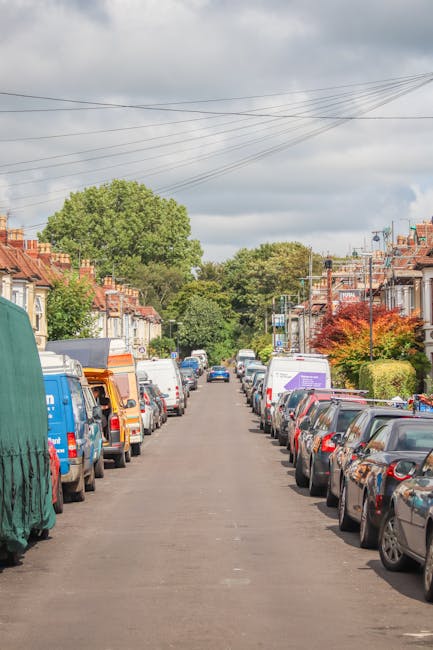
Packing and Parking Near Seven Sisters Road in N15
Posted on 14/05/2026
Packing and Parking Near Seven Sisters Road in N15: A Practical Local Guide
Moving in and around Seven Sisters Road in N15 sounds simple enough on paper. Then the van arrives, the hallway is tight, the boxes are heavier than you remember, and the nearest sensible parking space is suddenly a small miracle. Packing and parking near Seven Sisters Road in N15 is really about getting the move to flow without the usual chaos, wasted time, or avoidable stress.
This guide pulls the whole thing together: how to pack properly, how to think about parking on a busy North London street, what to plan for before moving day, and where people often get caught out. Whether you are moving a flat, a family home, student belongings, or a few awkward pieces of furniture, the right preparation makes a big difference. And to be fair, that difference is often felt in the first ten minutes.
Along the way, you will find practical local advice, a clear step-by-step approach, and a few useful links to related moving resources if you want to go deeper.

Why Packing and Parking Near Seven Sisters Road in N15 Matters
Seven Sisters Road sits in a busy stretch of North London where traffic, narrow residential roads, timed loading windows, and everyday local life all collide. If you are moving near N15, packing and parking are not separate tasks. They are linked. Poor packing slows the loading process, and poor parking can turn a manageable move into a long, sweaty, frustrating shuffle up and down the street.
That matters for a few simple reasons. First, vans need space to load safely. Second, neighbours and passing traffic are less tolerant when boxes are left on the pavement for too long. Third, in areas with limited curb access, every extra metre between your front door and the van adds time and risk. One badly placed parking choice can snowball into late handovers, strained backs, and a few choice words under your breath.
There is also the local reality of Seven Sisters Road itself. Even if your exact property is on a quieter side street, the approach road can be busy at peak times. People moving house nearby often underestimate the logistics. They pack for the destination, but forget about the street outside the door. That is the bit that makes or breaks the day.
If you are planning a bigger move, it can help to look at broader moving support too, such as local removals in South Tottenham, or more targeted help like a man with a van in South Tottenham when access is tight and timing matters.
How Packing and Parking Near Seven Sisters Road in N15 Works
At a practical level, the process has two moving parts. Packing is about preparing items so they can be lifted, stacked, carried, and protected. Parking is about giving the vehicle a legal, workable position close enough to reduce carrying distance without causing trouble for traffic, residents, or your own schedule.
For packing, the best approach is usually room-by-room, with heavy items grouped sensibly and fragile items wrapped properly. You do not want a random pile of bags, loose cables, and half-taped boxes. That is how delays start. For parking, you want a plan that considers the property layout, the street width, the vehicle size, the time of day, and whether there is a usable loading space nearby.
Sometimes the best parking spot is not directly outside the building. It might be a few doors down, opposite a side access point, or on a road with slightly better stopping conditions. The point is not to chase the perfect space. The point is to choose the safest workable space and make the loading route as clean as possible. A short walk with well-packed boxes is easier than a bad park with nowhere to manoeuvre.
In our experience, the moves that run smoothly are the ones where the packing order matches the parking plan. Heavy furniture goes near the exit first. Fragile boxes are clearly labelled. Loose items are consolidated. And nobody is guessing which box contains the kettle at 4 p.m. when the tea situation becomes urgent. You know the feeling.
Key Benefits and Practical Advantages
Good packing and sensible parking do more than save time. They reduce pressure across the whole move.
- Less lifting strain: If the van can park closer, there is less carrying over distance, stairs, or uneven paving.
- Faster turnaround: Well-packed items load more efficiently, which matters when parking access is limited or time-restricted.
- Lower damage risk: Properly packed boxes and protected furniture are less likely to get scuffed, dented, or split during repeated handling.
- Better control on moving day: Clear labels and planned loading order mean the crew or helpers are not improvising at the kerbside.
- Less neighbour friction: A tidy, efficient move is simply easier on everyone around you.
There is a quieter benefit too: peace of mind. It sounds a bit soft, perhaps, but when you know where the van is likely to go, what goes in first, and which box has the essentials, the whole day feels more manageable. That matters more than people admit.
If you need guidance on decluttering before you start packing, the article on decluttering before a move is a useful companion. Less stuff usually means easier packing and fewer parking headaches, because you make fewer trips.
Who This Is For and When It Makes Sense
This topic is relevant for anyone moving in or around N15, but it is especially useful if your move involves one or more of the following:
- terraced houses or flats with restricted street access
- busy roads where stopping space is limited
- upper-floor properties with shared stairwells
- heavy items such as sofas, beds, wardrobes, or appliances
- same-day or short-notice moves where time is tight
- student moves, flat shares, or smaller homes with lots of boxes
- office or small business relocations that need efficient loading
It also makes sense if you are doing the move yourself and only have a few friends helping. The more limited the help, the more important your packing and parking decisions become. Truth be told, even a decent sized van can feel awkward if it is parked badly and every item has to be carried around cars, bins, and narrow gates.
If your move is furniture-heavy, you may want to look at furniture removals in South Tottenham, especially if you have bulky pieces that need careful handling in a tight street setting.
Step-by-Step Guidance
Here is a straightforward way to approach packing and parking near Seven Sisters Road in N15 without making a meal of it.
- Survey the property and street first. Check where the nearest realistic stopping point is. Look for dropped kerbs, bus stop restrictions, yellow lines, and any awkward bends or pinch points.
- Separate items by weight and fragility. Pack heavy things in smaller boxes. Wrap fragile items well. Do not make one heroic box that nobody wants to lift.
- Label by room and priority. Mark boxes clearly with the room name and whether they are fragile or essential. A simple handwritten label is better than none.
- Prepare a loading sequence. Heavy furniture, then stacked boxes, then essential items last. Keep what you need on arrival easy to reach.
- Choose parking with the exit route in mind. The best spot is the one that shortens carrying distance without creating risk or conflict.
- Protect doorways and floors. Use blankets, cardboard, or protective covers where needed. Hallways get scuffed fast when everyone is in a rush.
- Keep one essentials bag separate. Kettle, toiletries, phone charger, documents, snacks, and a change of clothes should not disappear into a random box.
- Load steadily, not chaotically. A calmer rhythm is safer. Fast is good. Rushed is usually where mistakes happen.
If you are packing everything yourself, the detailed guide to packing when moving home is worth a read. It covers the basics properly, which saves a lot of last-minute drama.
And if you are moving a bed or mattress, do not just wing it. Mattress corners are awkward, and beds tend to be larger than we remember at 7 a.m. on moving day. The article on protecting your bed and mattress during a move is a solid reference.
Expert Tips for Better Results
These are the sorts of small decisions that make the biggest difference.
- Pack in layers, not piles. Use smaller boxes for books, tools, and crockery. Big boxes should be reserved for lighter contents like bedding and cushions.
- Use consistent labels. If every box is marked differently, nobody can work quickly. Pick one system and stick with it.
- Keep the corridor clear. A cramped hallway is where delays and bumps happen. If possible, stage items in a room close to the exit.
- Protect furniture before moving it outside. Sofa corners, table legs, and mirrors are especially vulnerable. The guide on safeguarding your sofa for the long haul has good practical ideas.
- Think about the weather. A damp morning in London can turn cardboard soft and slippery. If rain is forecast, build in extra protection.
- Do one final parking check before the van arrives. Things change quickly on a busy road. A delivery vehicle, skip, or neighbour's car can alter the plan.
One small, boring habit helps more than people expect: keep a roll of tape and a marker within reach all day. It sounds obvious until you are standing outside with one torn box and no tape. Then it becomes a moral issue somehow.
If lifting is part of the move, read this clear guide to safe lifting technique. It is a sensible reminder that how you lift matters just as much as what you lift.
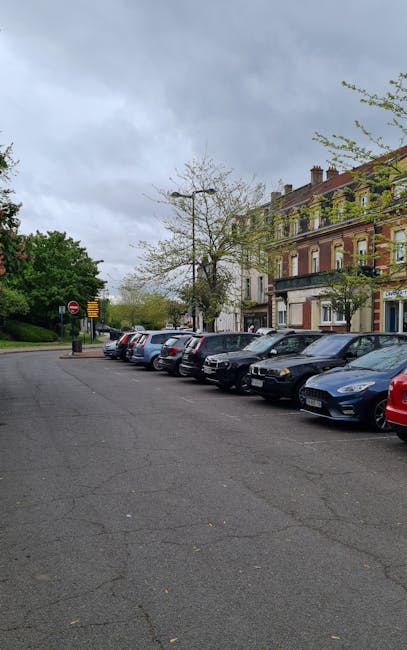
Common Mistakes to Avoid
Most moving problems are not dramatic. They are small errors repeated at the wrong moment. Here are the usual suspects.
- Overpacking large boxes. This makes carrying harder and increases the chance of collapse.
- Assuming parking will sort itself out. On a road like Seven Sisters Road or the streets around it, assumptions tend to cost time.
- Leaving packing to the final night. Late packing usually means poor labelling, missing items, and more fragile damage.
- Ignoring access issues. Narrow staircases, basement steps, and awkward front gardens can all slow a move.
- Using the wrong packing materials. Thin bags, weak boxes, and too little bubble wrap are a false economy.
- Not checking special items. Pianos, mirrors, artwork, and antique furniture need more than a blanket and good intentions.
One particularly common problem is trying to carry too much in one go to "save time". It rarely saves time. It just creates more trips, more fatigue, and a slightly surreal moment where everyone is trying to be brave about a box full of tins. If you have a piano or other exceptionally awkward item, the case for professional handling is much stronger. Have a look at why DIY piano moving is usually a bad idea.
Tools, Resources and Recommendations
You do not need a warehouse of equipment, but a few reliable tools will make the day run better.
| Item | Why it helps | Best use |
|---|---|---|
| Strong cardboard boxes | Better stacking and easier carrying | Books, kitchenware, clothes, general household items |
| Packing tape and dispenser | Quicker sealing and fewer failed bottoms | All box types |
| Marker pens and labels | Clear identification for loading and unpacking | Room labels, fragile items, essentials |
| Furniture blankets | Reduces scuffs and corner damage | Sofas, tables, wardrobes, appliances |
| Straps and trolley | Makes movement safer and more controlled | Heavy or bulky items |
| Protective covers | Keeps dirt and moisture off upholstered items | Mattresses, soft furnishings, seating |
For supplies, packing and boxes in South Tottenham is a useful starting point if you need materials rather than just advice. And if you are trying to reduce clutter before packing starts, the calm, methodical approach in moving-day cleanup strategies can help keep the place usable while the move is underway.
If you are considering support beyond boxes and tape, the broader services overview is a good way to compare options without jumping too early.
Law, Compliance, Standards, or Best Practice
For a residential move near Seven Sisters Road, you usually need to think less about formal law and more about sensible UK moving best practice. That said, parking and loading should always be handled carefully and legally. If a bay, yellow line, or restricted area applies, do not guess. Check the local signage and avoid blocking traffic or access routes.
For moving crews and householders alike, good practice includes:
- parking only where it is lawful and safe to do so
- keeping walkways and entrances as clear as possible
- using proper lifting methods and suitable equipment
- protecting property from avoidable damage
- planning access for neighbours, pedestrians, and deliveries
If you are hiring help, it is sensible to look at a provider's approach to safety, insurance, and general working standards. Pages such as health and safety policy and insurance and safety information are worth checking because they show how the work is handled in the real world, not just how it sounds on a sales page.
There is also a practical side to trust. Clear terms, straightforward payment methods, and a complaints route matter when you are handing over belongings and relying on punctuality. That is why pages like terms and conditions, payment and security, and complaints procedure can be helpful before you book anything.
Options, Methods, or Comparison Table
Different moves near Seven Sisters Road call for different levels of help. Here is a simple comparison to make the decision a bit easier.
| Approach | Best for | Pros | Watch-outs |
|---|---|---|---|
| DIY with personal car or borrowed van | Very small moves with easy access | Lower direct cost, flexible timing | Parking stress, more trips, more lifting, higher chance of mistakes |
| Man and van | Flats, partial loads, local moves | Practical, flexible, usually quicker than DIY | Still needs good parking and a clear loading plan |
| Full removals service | Larger homes, heavy furniture, complex access | More support, better handling, less physical strain | Needs more planning and possibly a larger budget |
| Same-day support | Urgent or last-minute moves | Speed, responsiveness, less delay | Less time to prepare parking and packing details |
For many local jobs, a flexible service such as man and van in South Tottenham is the middle ground that actually works best. If timing is tight, same-day removals can be a lifesaver, though it is even more important to have boxes ready and the parking plan sorted early.
Case Study or Real-World Example
Picture a typical two-bedroom flat move off Seven Sisters Road. The property is on an upper floor, the staircase is narrow, and the van cannot sit directly outside for long because the road stays busy through much of the day. Nothing unusual, really, but it does need a bit of thought.
The most successful version of this move usually looks like this: boxes are packed the night before, heavy items are separated into smaller containers, the sofa is wrapped, the mattress is covered, and the move begins with the easiest access route. Instead of trying to park in the first visible gap, the driver uses a nearby workable spot that shortens the carry from the door. Someone stands by to keep the route clear. The essentials bag is loaded last, and the first room to be unpacked at the new place is already known.
What changes the outcome is not speed alone. It is sequence. Once the loading order matches the parking reality, the move stops feeling like a puzzle and starts feeling manageable. There may still be a bit of noise, a bit of back-and-forth, and one box that seems to weigh more than it should. But it gets done. Usually with less drama than expected.
That same logic works for office moves too, especially if you are balancing IT equipment, desks, and documents. For that kind of job, office removals in South Tottenham can be a more sensible fit than trying to piece everything together yourself.
Practical Checklist
Use this checklist the day before and the morning of the move.
- Boxes are sealed properly and labelled by room
- Fragile items are wrapped and marked clearly
- Heavy items are packed into smaller boxes
- Furniture is protected with blankets or covers
- Mattress, sofa, and other soft items are wrapped or bagged
- Essentials bag is kept separate and easy to find
- Parking location is confirmed and checked against local restrictions
- Walkway from door to van is clear of clutter
- Tape, marker, and scissors are within reach
- Phone charged and contacts saved for helpers or the driver
- Keys, documents, and valuables are not in the moving pile
- Bins, recycling, and leftover packing waste have a plan
If you want a more complete moving-prep routine, this house-moving guide is a sensible next read. And for the final tidy-up, moving-day cleanup strategies can help you avoid leaving a mess behind. Small thing, but it matters.
Conclusion
Packing and parking near Seven Sisters Road in N15 is really about reducing friction. When your boxes are packed properly, your furniture is protected, and the van is parked with access in mind, the whole move becomes calmer, faster, and safer. That is true whether you are moving a studio flat, a family home, or a few awkward pieces that need careful handling.
The best results usually come from simple habits: plan the parking before the van arrives, pack with weight and fragility in mind, keep the route clear, and do not leave everything to chance. Nothing flashy. Just sensible preparation, done properly. And honestly, that is what most smooth moves are built on.
If you are comparing options or trying to line up help for a local move, start with the practical details first, then choose the service that fits the access, the timing, and the load. It saves stress later. It really does.
Get a free quote today and see how much you can save.
When the boxes are stacked, the street is clear, and the last load goes in without a scramble, the day feels lighter. That's a good feeling to end on.