Bulky Waste and Sofa Disposal in South Tottenham: Your Options
Posted on 02/06/2026
If you've got an old sofa taking up half the front room, you already know the problem is bigger than "just getting rid of it". Bulky items are awkward, heavy, dusty, and often a bit of a headache to move through a tight hallway or down a narrow stairwell. Bulky Waste and Sofa Disposal in South Tottenham: Your Options is really about making the right choice for your space, your time, your budget, and the planet. Some sofas can be reused, some need specialist handling, and some are best removed quickly so you can get on with life. Either way, the trick is knowing which route fits your situation without turning the whole thing into a Saturday lost to chaos.
This guide walks through the practical options, what to watch out for, and how to decide whether you should separate, recycle, donate, or book a removal service. We'll also cover safe lifting, common mistakes, compliance basics, and the small details people often miss until they are staring at a three-seater wedged in the doorway. To be fair, that moment is less rare than you'd think.
Why Bulky Waste and Sofa Disposal in South Tottenham: Your Options Matters
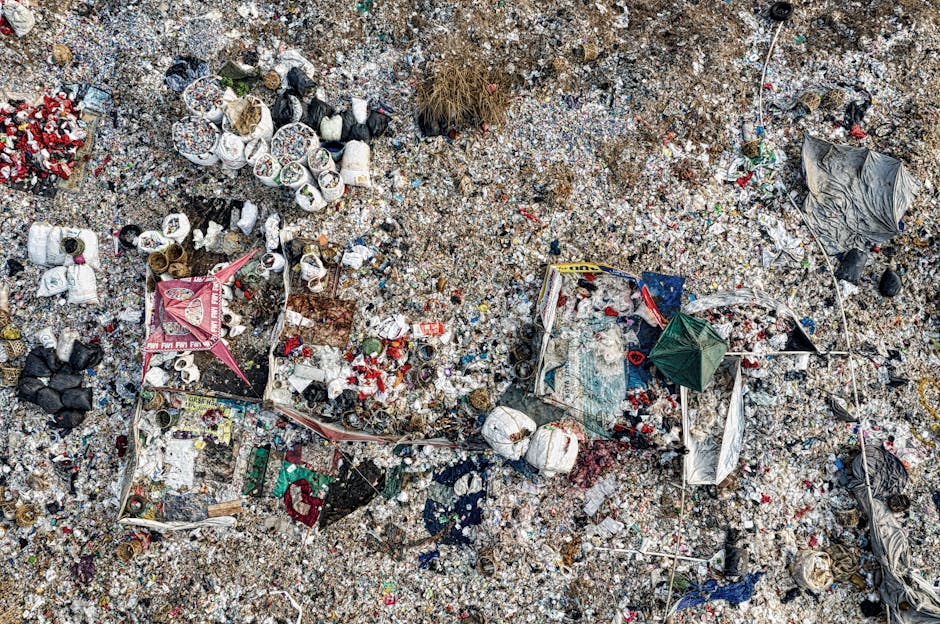
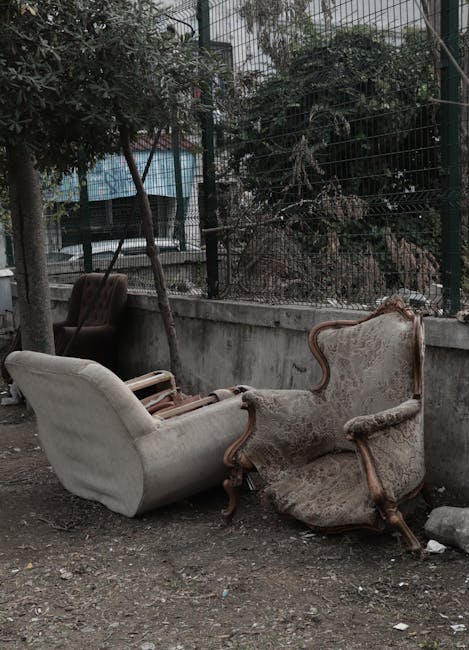
Bulky waste is exactly what it sounds like: large household items that are too awkward for normal bins and too cumbersome for an easy lift-and-go. Sofas sit right at the centre of that category. They are bulky, often fabric-covered, sometimes split into sections, and frequently hide surprise weight in the frame. A sofa can look manageable until you try to turn it at the bottom of a staircase. Then reality kicks in.
For South Tottenham residents, the issue matters for a few reasons. First, space is precious. Flats, maisonettes, shared homes, and terraced properties often don't have room to store an old sofa while you "figure it out later". Second, improper disposal can create mess, safety risks, and avoidable stress. Third, a good disposal decision can save money and support reuse or recycling rather than sending everything straight to landfill.
There's also the practical side. If you're moving home, refitting a flat, replacing damaged furniture, or clearing out a rental, the sofa usually becomes one of the biggest obstacles to a clean handover. Many people sort their rooms carefully and still leave the sofa to the last minute, which is a bit like packing your coat after you've already called the taxi.
Used well, this process is not just about removal. It's about reclaiming space, reducing clutter, and making the next stage of your move or refresh much smoother. If you're already planning a larger clearance, it can help to think alongside decluttering before moving and the wider range of removal services in South Tottenham that can handle the heavier lifting.
How Bulky Waste and Sofa Disposal in South Tottenham: Your Options Works
In practice, sofa disposal usually follows one of a few routes: reuse, donation, recycling, council-style collection where available, or private removal. The best option depends on condition, access, timing, and how much handling you want to do yourself. A sofa with life left in it may be better reused. A broken frame, sagging cushions, or heavy water damage usually points towards recycling or responsible disposal.
The process normally starts with a quick inspection. Is the sofa still usable? Does it smell, split, or wobble? Can it fit through the front door if it is broken down? Does it have detachable legs or arms? You'd be surprised how often a few minutes of checking can turn a difficult job into an easier one.
Then comes the logistics. You may need to measure doorways, lift in sections, protect floors, and make sure the item is moved safely from the property to the vehicle or collection point. If the sofa is large or the route is awkward, professional help becomes less of a luxury and more of a sensible decision. For awkward turns, stairs, or tighter properties, guidance from heavy lifting advice and a basic understanding of kinetic lifting can make a real difference.
If you are combining sofa removal with a larger household clean-up, timing matters. In the middle of a move, the best approach is often to clear the bulky items first so the rest of the room can be packed and cleaned properly. That is especially true if you're trying to keep the property tidy for a final inspection or handover. Nobody wants to be doing a dust sweep around an abandoned armchair at 9pm.
Key Benefits and Practical Advantages
Choosing the right sofa disposal route gives you more than an empty room. Done properly, it reduces stress and protects both the property and the people handling the item. Here are the main benefits people usually care about.
- More space, immediately: Once a bulky sofa is gone, a room feels larger, lighter, and easier to use.
- Less manual strain: Sofas are awkward to twist and carry. Getting help reduces the risk of bumps, slips, and sore backs.
- Cleaner handovers: Useful if you are moving out, repainting, or preparing a rental property.
- Better environmental outcomes: Reuse and recycling are generally preferable to throwing everything away.
- Fewer delays: A pre-planned removal means you are not stuck waiting around for the "right time" that never comes.
There's a quieter benefit too: peace of mind. People often underestimate how much mental clutter an old sofa can cause. It sits there in the corner like a task you haven't quite finished. Remove it, and the whole room changes. Simple, really.
If the sofa is part of a larger furniture clear-out, the most efficient path is often to bundle it with a broader move or clearance plan. Pages like furniture removals in South Tottenham and house removals in South Tottenham are useful next steps when the disposal is part of a bigger project rather than a single-item job.
Who This Is For and When It Makes Sense
This topic matters for a lot more people than you might think. It is not just for homeowners doing a full clear-out. In real life, sofa disposal comes up in all kinds of situations.
- People moving home: You may be replacing furniture, downsizing, or simply not taking the sofa with you.
- Tenants ending a lease: Old furniture often needs to be cleared before checkout or inventory.
- Flat residents: Limited access and stair-only buildings make sofa removal especially awkward.
- Students: Shared homes and short tenancies often mean furniture has to be moved on quickly; see student removals in South Tottenham for related support.
- Families upgrading furniture: A new sofa usually arrives before the old one has gone. Classic timing problem.
- Landlords and letting agents: Fast, tidy clearance helps prepare the property for the next occupant.
It also makes sense when the item is simply too difficult to shift alone. A bulky sofa on a wet evening, in a narrow hallway, with one tired person trying to angle it around a radiator? That is not a fun job. Truth be told, it is the sort of job that turns "I'll do it myself" into "why did I do this myself?" very quickly.
If you are not sure whether to dispose, store, or reuse the sofa, think about the next three months, not just today. If the item may be needed later, storage could be a temporary solution. If not, clearing it now is usually the cleaner choice. Storage in South Tottenham can help when you need breathing room before deciding.
Step-by-Step Guidance
A good disposal plan does not need to be complicated, but it does need a bit of structure. Here is a practical route that works well in most homes.
- Check the sofa's condition. Look for sagging, rips, stains, broken springs, or smell. If it is still usable, reuse or donation may be the best route.
- Measure the access route. Door widths, stair turns, landings, and lifts all matter. A sofa that fits the room may still not fit the exit.
- Decide whether dismantling is possible. Remove detachable legs, cushions, or arms where appropriate. Keep screws and fittings in a labelled bag.
- Protect the property. Use blankets, gloves, and floor protection if needed. The hallway always gets scratched at the worst possible angle, doesn't it?
- Choose your disposal route. Reuse, donation, recycling, collection, or private removal.
- Book the right help. If the sofa is large, heavy, or access is tight, use a removal team that is comfortable with bulky furniture and stairs.
- Clear the path in advance. Move side tables, lamps, pets, and clutter out of the way before the item starts moving.
- Confirm final handling. Make sure the item ends up where you intended, not left on the kerb or in a communal area.
If you're dealing with several items at once, pack smaller objects first and clear the route before the sofa is moved. A useful companion read is packing guidance for moving homes, especially if the sofa removal is part of a full reset.
One small but helpful detail: remove loose cushions before anything else. It sounds obvious, yet those cushions somehow end up underfoot at the exact moment you need clear balance. Little things, big difference.
Expert Tips for Better Results
A few experienced habits can turn a difficult sofa removal into a much smoother one. These are the details that tend to matter on the day.
- Lift with the route in mind, not just the weight. A sofa that is "not too heavy" can still be impossible to turn safely.
- Test the angle before committing. Sometimes a diagonal tilt is the difference between a clean exit and a jammed doorway.
- Use two people for awkward items. One person can guide, but two should manage the actual movement where possible.
- Wear proper shoes. Trainers or sturdy footwear are far better than slippers or socks. No heroics needed.
- Plan the parking or collection point. Shorter carry distances reduce strain and the chance of damage.
- Keep the room ventilated. If the sofa has been stored for a while, a bit of fresh air helps with dust and odour.
A useful mindset shift is this: think like a mover, not like someone dragging furniture. The best removals are deliberate, measured, and calm. Rushing is what causes trapped fingers, gouged walls, and the occasional muttered word that should probably stay out of the hallway.
If the sofa is valuable or needs to be protected until the final move, it may be worth reading how to safeguard a sofa for the long haul. That kind of care matters when the furniture is still in good condition and you want to avoid unnecessary damage before disposal or resale.

Common Mistakes to Avoid
Most sofa disposal problems are surprisingly predictable. The good news? They are easy to avoid once you know what to look for.
- Leaving it too late. Disposal becomes stressful when it lands on moving day or the night before a property handover.
- Not measuring the route. Guessing the doorway width is how a lot of awkward pauses begin.
- Forcing the item through. If it does not fit, it does not fit. Forcing it usually damages the wall, the sofa, or both.
- Ignoring the item's condition. A sofa that is stained, broken, or infested should be handled differently from one that can be reused.
- Underestimating the weight. Many sofas are heavier than they look, especially older ones with solid frames.
- Not checking disposal standards. Leaving items in the wrong place can create avoidable problems for both residents and neighbours.
A quieter mistake is assuming all bulky waste is the same. It isn't. A table, a wardrobe, and a sofa all create different handling issues. Sofas are often the trickiest because of their shape. They snag. They twist. They catch on bannisters like they've got opinions of their own.
Another one: forgetting the small bits. Feet, bolts, brackets, labels, and fabric covers can be sorted separately so the main item is easier to manage. Little planning, less headache.
Tools, Resources and Recommendations
You do not need a warehouse full of equipment to handle sofa disposal properly, but a few basic tools help enormously.
- Work gloves: Better grip, better protection.
- Furniture blankets or old sheets: Useful for protecting walls, doors, and the sofa itself if it's being reused.
- Moving straps or a trolley: Helpful when the item is particularly awkward or the route is long.
- Screwdriver set: Handy for removing legs or fittings.
- Labelled bags: Keep loose parts together so nothing goes missing mid-job.
- Floor protection: Cardboard, blankets, or specialist coverings can reduce scratches.
For readers who prefer a managed approach, it can help to work with a team that already knows how to move bulky items through tight London properties. Services such as man with a van in South Tottenham, man and van support, or a dedicated removal van service can be a practical fit when one item becomes more trouble than it is worth.
If the sofa removal is happening alongside a larger clean-up, pairing it with an organised move plan can help keep the day under control. The article on organised cleanup strategies for moving day is a useful companion if you are trying to keep everything moving in the right order.
Law, Compliance, Standards, or Best Practice
With bulky waste, the main compliance concern is simple: don't leave items where they create a hazard, a nuisance, or an unauthorised dumping issue. In the UK, households are generally expected to dispose of waste responsibly and use lawful collection or recycling routes. The exact arrangements can vary, so it is wise to check the relevant local process rather than assume the same approach applies everywhere.
From a practical standpoint, best practice usually means three things. First, keep waste on your own property until collection or removal. Second, avoid blocking shared entrances, footpaths, or communal areas. Third, use a service that handles items responsibly and can explain where the waste goes after collection.
If a company is moving your sofa, it should also follow sensible health and safety practices. That means trained handling, safe lifting, and proper care around walls, stairs, and shared access. It also means clear communication if there are access issues or if an item needs dismantling before removal. For broader confidence, pages such as health and safety policy, insurance and safety, and recycling and sustainability are good trust signals to look for when choosing a provider.
It is also sensible to review the service terms before booking. A clear terms and conditions page and a straightforward pricing and quotes page help you understand what is included, what is not, and how the job is expected to run. That kind of clarity saves awkward surprises later. Always useful.
Options, Methods, or Comparison Table
Here is a simple comparison of the main routes people consider for sofa disposal in South Tottenham.
| Option | Best for | Pros | Things to watch |
|---|---|---|---|
| Reuse or donation | Clean, usable sofas | Good environmental outcome, may help someone else, often low waste | Item needs to be in acceptable condition and still safely usable |
| Recycling route | Sofas that are no longer useful but can be broken down | Materials can be separated, less waste overall | Requires proper handling and the right facility or service |
| Bulk collection | One-off large items at home | Convenient, straightforward for single items | May involve booking times, rules, or access restrictions |
| Private removal service | Heavy, awkward, urgent, or multiple items | Flexible, fast, often handles stairs and tight access | Costs vary depending on access, volume, and labour needed |
| DIY removal | Very small or easy-to-move items | Can be cheap if you already have transport and help | Highest risk of damage, injury, or logistical hassle |
For most sofas, the real decision comes down to condition and access. If it is a straightforward ground-floor move and the item is light enough, DIY may be manageable. If it involves stairs, awkward turns, or a tight schedule, a professional removal service is usually the calmer option. And calm matters on a moving day.
When the sofa is part of a larger home move, explore related support such as flat removals in South Tottenham or same-day removals if timing is tight and the clearance needs to happen quickly.
Case Study or Real-World Example
Consider a fairly typical South Tottenham scenario. A couple in a first-floor flat has a three-seater sofa that no longer fits their new layout. The sofa is still okay, but it has a worn seat cushion and the frame makes it heavier than expected. The stairwell is narrow, and there is a bend halfway down. They had originally planned to move it themselves with a friend and a borrowed van.
Once they measured the stairwell properly, the plan changed. The sofa was too awkward to angle safely without risking the wall and bannister. They removed the legs, cleared the hallway, wrapped the corners, and booked a removal team instead. The job took less time than they expected, and the room was empty before lunch. The couple then used the space to unpack, clean, and stage the new furniture properly.
The useful lesson here is not that everyone needs professional help. It's that the right decision often becomes obvious once you look at the route, not just the item. The sofa itself was not the whole story. The stairs, the access, the timing, and the condition of the flat all mattered.
That kind of decision also helps keep the move on track. If you are trying to make the whole process less fraught, house-moving stress reduction tips are worth a look alongside removal planning.
Practical Checklist
Use this checklist before you arrange sofa disposal or bulky waste removal.
- Measure the sofa and every key point on the access route.
- Check whether the sofa can be reused, donated, repaired, or recycled.
- Remove cushions, legs, and loose fittings where possible.
- Clear hallways, doorways, and stair access before the move starts.
- Protect floors and walls with blankets or coverings if needed.
- Wear suitable footwear and gloves.
- Decide whether you need help for lifting or transport.
- Confirm where the item is going and how it will be handled.
- Check the booking time, access details, and any service restrictions.
- Keep any useful paperwork or quotes in one place.
Quick expert summary: if the sofa is usable, consider reuse first; if it is no longer practical, choose the safest, quickest lawful route; and if access is awkward, do not gamble on a rushed DIY lift. That little bit of planning tends to save the most time.
Conclusion
Bulky Waste and Sofa Disposal in South Tottenham: Your Options is not just about getting rid of an old piece of furniture. It is about making a sensible choice that fits your home, your schedule, and the condition of the item. Sometimes that means reusing or donating. Sometimes it means recycling. Sometimes it means calling in help and letting someone else handle the awkward corners, the narrow stairs, and the heavy lifting.
The best outcome is usually the simplest one: measure carefully, choose the right route, and avoid turning one sofa into a whole-day battle. A little preparation really does go a long way. And once the room is clear, you feel it straight away. More light, more space, fewer things to trip over. Nice, isn't it?
For more support with moves, furniture handling, and practical clear-outs in the area, explore the related pages on removals in South Tottenham and the full services overview.
Get a free quote today and see how much you can save.